
What is Gas Line Marking Tape?
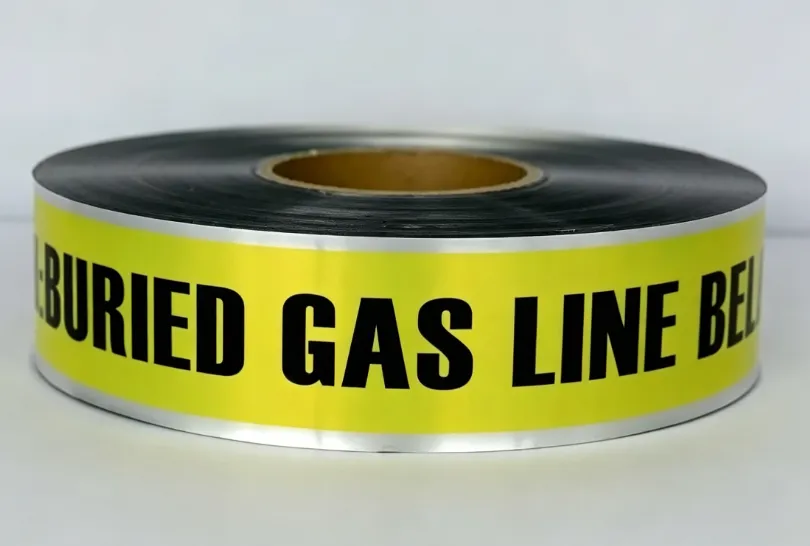
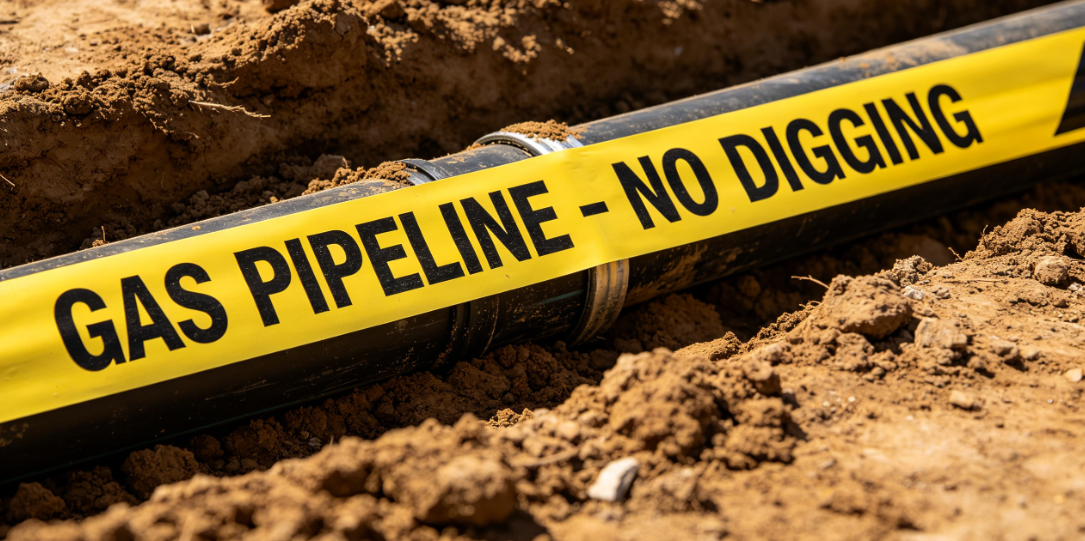
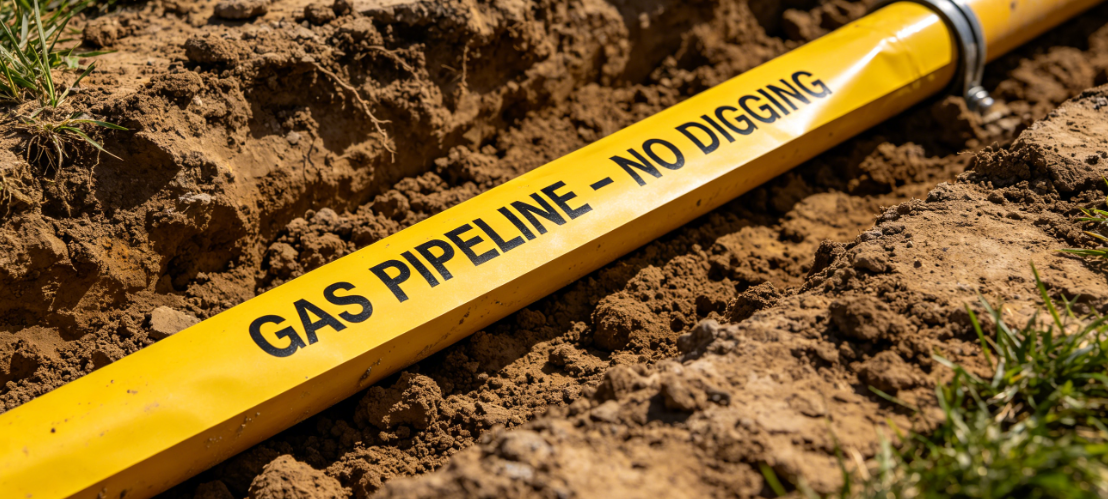
Gas line marking tape is a specialized warning tape used for underground gas pipeline safety identification. It is typically bright yellow and buried in the soil directly above the gas pipeline.
Whether it's new construction, renovation of old residential areas, or roadwork—any project involving buried gas pipelines requires gas line marking tape. It may look simple, but it plays a direct role in construction safety and passing inspections.
Purpose of Gas Line Marking Tape
The core function of gas line marking tape is to add a layer of early warning for underground gas pipelines. Placed directly above the pipe, it serves two main purposes: first, its bright yellow color warns construction workers that there’s a gas line below—don’t dig carelessly; second, detectable versions allow equipment to quickly locate the pipeline, preventing dangerous digging accidents. In short, it acts as a “safety sign” for underground gas lines and is an essential part of project acceptance checks.
Key Purchasing Considerations for Underground Gas Warning Tape
You don’t need to overthink it—just focus on these key points to avoid mistakes:
The color must be standard yellow—highly visible and uniform, recognizable from a distance on any job site
The material must be durable and resistant to aging, able to withstand long-term burial without rotting or cracking
Printed text must be clear and durable, not fading or blurring due to moisture in the soil
For large projects, choose tape with sufficient width, length, and stable cost performance
For critical projects, always opt for detectable tape—it makes later locating much easier
How to Check if Gas Line Marking Tape Meets Standards
You don’t need complex reports—just use these simple methods to quickly determine if the tape is compliant:
Check the color: standard yellow for gas lines—if it’s bright and not dull, it’s likely compliant
Check the print: the wording should be standard, clear, and free of typos or blurriness, meeting job site requirements
Feel the material: it should be thick and tough, not flimsy and easy to tear
Detectable gas line tape must clearly show the built-in detectable material—no false claims
Reputable manufacturers usually provide simple test documentation, giving inspectors peace of mind
How to Verify if Gas Line Marking Tape Is Easy to Detect
You don’t need professional equipment to test detectability—just a simple field check will do:
Use a standard pipe locator: if the tape responds quickly and the signal is clear, it has good sensitivity
Even when buried a bit deeper, it should still provide a stable signal without interruptions
Accurate positioning: the signal should follow the tape consistently without drifting or dropping out
No need for repeated equipment adjustments—if even a novice can quickly locate the tape, it’s a good underground utility tape
How to Install Gas Line Marking Tape
Installation is straightforward—just follow these practical steps:
Lay the tape approximately 30–50 cm directly above the gas pipeline, centered over the pipe
Run the tape continuously without breaks to avoid blind spots
Keep the tape straight and flat during installation—no twisting or wrinkling
Use fine soil for backfill; avoid dropping large stones directly onto the tape to prevent damage
Ensure smooth transitions at bends and joints so that the entire pipeline is covered
Comparison of Key Factors When Choosing Gas Line Marking Tape
Selecting the right gas line marking tape involves balancing durability, visibility, compliance, and project requirements. The table below highlights the most important factors buyers should evaluate before making a purchase decision.
| Purchasing Factor | Why It Matters | What to Look For |
| Material Quality | Determines long-term durability underground | High-strength polyethylene with good tear resistance |
| Visibility | Helps workers identify buried gas lines quickly | Bright yellow color with clear black printing |
| Warning Message | Improves safety and reduces excavation errors | Easy-to-read text such as "caution buried gas line below" |
| Detectable or Non-Detectable | Affects future utility locating capabilities | Detectable tape for critical infrastructure projects |
| Weather Resistance | Ensures performance in varying soil conditions | UV-resistant and moisture-resistant materials |
| Compliance Standards | Supports regulatory and industry requirements | Products that meet local utility marking guidelines |
| Print Durability | Maintains legibility over time | Permanent printing that resists fading |
| Roll Size Options | Improves installation efficiency | Widths and lengths suitable for project needs |
Using this checklist can help contractors, utility companies, and distributors select gas line marking tape that delivers reliable performance while supporting long-term underground asset protection.
FAQs about Gas Line Marking Tape
1. What is gas line marking tape used for?
Gas line marking tape is installed above buried gas pipelines to provide a visual warning during excavation. It helps workers identify underground utilities before accidental contact occurs.
2. Why is yellow commonly used for gas line marking tape?
Yellow is the widely recognized color for gas utility identification in many utility marking systems. It allows excavation crews to quickly recognize the presence of underground gas infrastructure.
3. What does "caution buried gas line below" mean on marking tape?
The message "caution buried gas line below" alerts anyone digging in the area that a gas pipeline is located beneath the tape and that extra care should be taken before excavation continues.
4. Should I choose detectable or non-detectable gas line marking tape?
Detectable gas line marking tape contains a metallic component that allows future locating with electronic detection equipment. It is often preferred for projects where accurate utility locating is important.
5. How long does gas line marking tape last underground?
High-quality gas line marking tape is designed for long-term underground use. When properly installed, it can remain visible and effective for many years while helping protect buried gas infrastructure.
This is the first one.